
If you are running a warehouse in Malaysia right now, you know the pressure is getting real! The orders are flying in from Shopee and Lazada, but finding reliable staff to pack them is becoming a headache. The truth is, the old way of managing inventory with clipboards or basic spreadsheets just won’t cut it anymore.
By the time we hit 2026, the warehouse automation market in Southeast Asia is expected to hit nearly USD 0.91 billion. That is a massive jump. It’s driven by a need to work smarter, not just harder.
We are seeing a logistics trends from clunky, rigid machinery toward AI supply chain orchestration and flexible robots that can actually think—or at least, navigate—for themselves. If you want to slash your operational costs by up to 30% and stop worrying about labor shortages, you need to pay attention to these changes. This guide is going to walk you through exactly what is coming and how you can prepare your operations in Kuala Lumpur, Penang, or Johor for the future!
Key Takeaways for 2026
- AI is the Boss: Software is taking over hardware; intelligent orchestration is now critical for real-time decision making.
- Robots are Mobile: Autonomous mobile robots (AMRs) are replacing fixed conveyors and older AGVs.
- Flexibility is King: Modular ASRS and Robotics as a Service (RaaS) allow you to scale without going broke.
- Malaysia is Rising: Local examples like MR DIY are proving that automation works here, not just in Europe or the US.
Logistics Trends #1: AI-Powered Orchestration: The Core of Real-Time Decision-Making

Let’s be honest, having a robot is cool, but it is useless if it doesn’t know what to pick next. The biggest trend for 2026 isn’t just hardware; it is the brain behind the operation. We are moving from disconnected systems to a unified warehouse execution system (WES).
From Static to Dynamic
In the past, your WMS might have told a picker to go to Aisle 4. That plan was set in stone. Now, AI supply chain orchestration changes the plan in real-time based on traffic, urgent orders, or even a forklift breaking down in Aisle 3.
- Agentic AI Logistics: This involves AI agents that can handle procurement and scheduling without you hovering over them. They can predict a stockout before it happens.
- Travel Time Reduction: By optimizing paths dynamically, warehouses are seeing a 30-40% reduction in travel time.
- Data Integration: By 2026, IoT warehouse robots will be feeding live data back to your central system.
The Power of Prediction
You can’t afford to be reactive anymore. Predictive analytics logistics is becoming the standard for anticipating demand spikes (like double digits event, CNY or Hari Raya sales) weeks in advance.
Table: Legacy WMS vs. AI-Orchestrated Systems
| Feature | Legacy WMS | AI-Powered Orchestration |
|---|---|---|
| Decision Speed | Batch processing (slow) | Real-time decision making (instant) |
| Resource Allocation | Static assignments | Dynamic resource allocation based on need |
| Maintenance | Reactive (fix when broken) | Predictive (fix before it breaks) |
| Integration | Siloed data | Fully integrated WMS platforms |
Pro Tip: Don’t try to overhaul everything at once. Start by integrating a warehouse execution system layer on top of your existing WMS to get better visibility before buying expensive hardware.
Logistics Trends #2: Autonomous Mobile Robots (AMRs) Revolutionizing Mobility
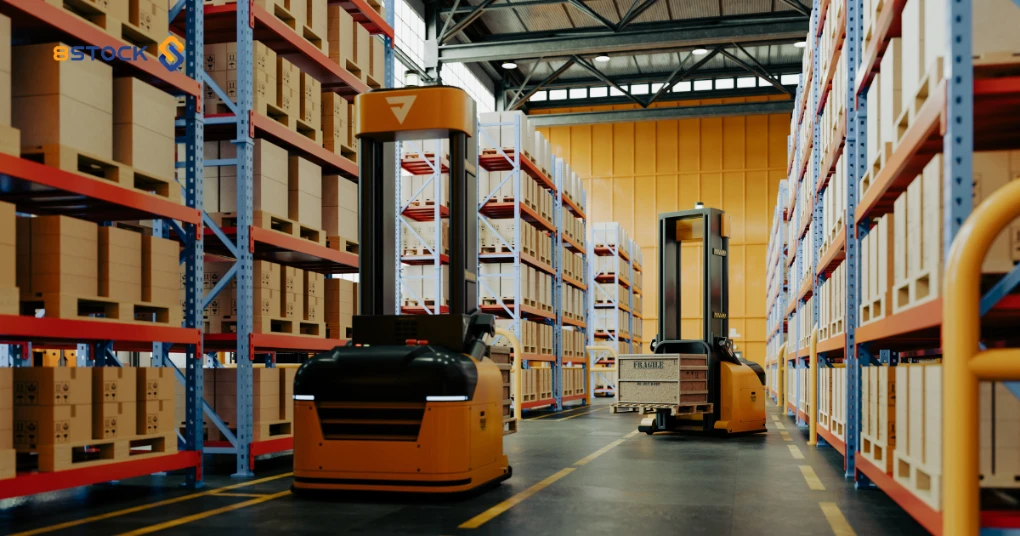
If you have visited a modern facility in Shah Alam lately, you might have noticed fewer magnetic tapes on the floor. That is because autonomous mobile robots are taking over. Unlike the old AGVs that needed wires or tape to follow, AMRs use sensors and maps to navigate freely.
Why AMRs are Winning
The flexibility here is massive. If you need to change your warehouse layout because you picked up a new client, AMRs adapt instantly. You don’t need to rip up the concrete floor.
- Navigation: They navigate around obstacles (and people) safely.
- Throughput: Companies like VTPost in Vietnam doubled their throughput by switching to these smart bots.
- Inbound Automation: It is not just about picking. We are seeing robotic de-palletizing and pallet building robots clearing the receiving docks faster than humans ever could.
Level 1 to Level 3 Automation
- Level 1 (Assist): AMR warehouse efficiency tools that follow pickers to carry heavy loads.
- Level 2 (Goods-to-Person): Robots bring the shelf to the packer, eliminating walking entirely.
- Level 3 (Fully Autonomous): Vision guided robots handle inbound automation and sorting without human intervention.
The Reality Check: In Malaysia, the ROI on AMRs is becoming clearer. With labor costs rising and workers becoming harder to retain, a robot that can work three shifts without a break is an attractive option.
Logistics Trends #3: Scalable Automation and Modular Systems for Agility
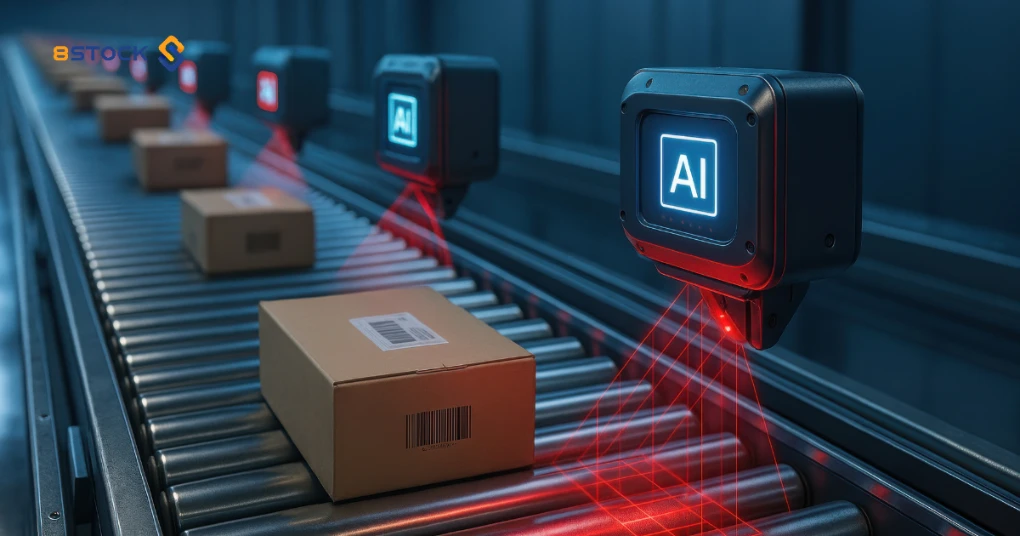
A few years ago, automation meant building a massive, metal structure that you were stuck with for 20 years. That is scary for a business owner. What if your product size changes?
The trend for 2026 is modular ASRS (Automated Storage and Retrieval Systems) and scalable tech. This is perfect for the APAC warehouse market where land is expensive and space is tight.
Modular is the New Standard
Instead of a giant crane, we are seeing mini-load systems and shuttle systems that can be expanded block by block.
- Space Saving: These systems use vertical height efficiently, crucial for urban warehouses.
- Adaptability: You can add more robots or storage racks as your business grows.
- Speed: Excellent for e-commerce fulfillment where speed is everything.
Robotics-as-a-Service (RaaS)
This is huge for SMEs. Robotics as a Service (RaaS models) allow you to “rent” the automation capability. You don’t need a million Ringgit in capital expenditure (CapEx) upfront. You pay a subscription fee based on usage.
Benefits of RaaS:
- Lower Entry Barrier: Access high-tech vision guided robots without the massive loan.
- Scalability: Rent more bots during peak season and return them later.
- Maintenance Included: The vendor handles the repairs, not your maintenance uncle.
Logistics Trends #4: Integrated WMS Platforms Tackling Labor Shortages
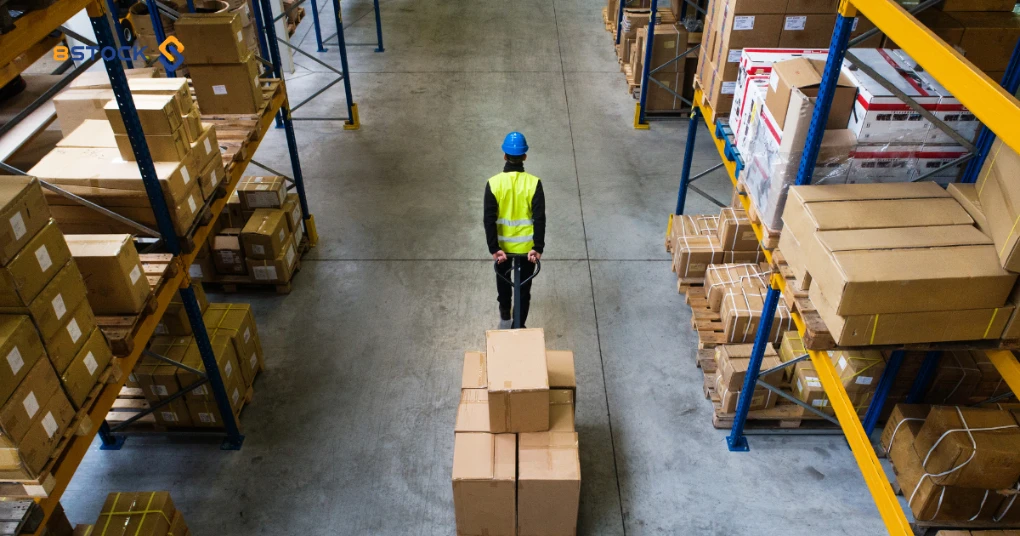
We all know the struggle of finding good warehouse staff in Malaysia right now. The younger generation isn’t exactly lining up for manual labor jobs in hot warehouses. This is where integrated WMS platforms come in to save the day.
Bridging the Talent Gap
Technology is being used to make the job easier and more attractive.
- Gamification: Modern WMS interfaces look more like apps and games, which appeals to younger workers.
- Pick to Light Technology: This simplifies the job. A light shows the worker exactly where to pick. It reduces training time from days to minutes.
- Hybrid Workforce: By using labor shortages Malaysia solutions like cobots (collaborative robots), your existing staff can do less heavy lifting and focus on quality control.
The Rise of Micro-Fulfillment
With customers wanting ultrafast delivery automation, we are seeing a shift toward micro-fulfillment centers located closer to city centers like KL or Penang.
- Dark Stores: These are small warehouses dedicated solely to online orders.
- Grocery Automation: Grocery warehouse automation allows for 15-minute delivery promises to be met in dense urban areas.
- Inventory Visibility: You need a system that sees stock across all these small locations in real-time.
Pro Tip: If you are struggling with staff retention, invest in pick to light technology. It makes the job less stressful and reduces picking errors significantly.
Logistics Trends #5: Malaysia and APAC Spotlight: Regional Implementation Strategies
You might be thinking, “This sounds great for Amazon, but what about us?” The good news is that Southeast Asia automation is growing fast. We aren’t just watching from the sidelines anymore.
Real-World Success Stories
- MR DIY: They have seen efficiency gains of up to 200% by implementing automation in their Malaysian distribution centers.
- CapitaLand: Their Elmina Hub is a prime example of a modern facility designed for tech integration.
- Regional Hubs: Selangor and Johor are becoming key integration centers for the entire region.
Government and Infrastructure
The Malaysian government is pushing for Industry 4.0. There are grants and incentives available for companies looking to modernize.
Why APAC is Different:
- High Volume, Low Value: We handle a lot of small parcels. Vision guided robots for sorting are critical here.
- Land Scarcity: In places like Singapore and KL, modular ASRS is the only way to grow—by going up, not out.
- Cost Sensitivity: The cost reduction warehouse strategies (like RaaS) are more popular here than full ownership models found in the West.
Technical Elements: Getting Your Setup Right
If you are ready to dive in, here are the technical specs you need to discuss with your IT team or vendor.
1. Connectivity Essentials
Your IoT warehouse robots need a stable network.
- 5G/Wi-Fi 6: Essential for low latency communication between robots and the WMS.
- API Integration: Ensure your new robots have open APIs to talk to your warehouse execution system.
2. Software Configuration
- Dynamic Slotting: Configure your WMS to automatically suggest new bin locations based on predictive analytics logistics.
- Battery Management: Set up your AMRs to auto-charge during micro-downtimes to ensure 24/7 operation.
3. Data Security
- With agentic AI logistics, you are handling a lot of data. Ensure your cloud WMS has robust cybersecurity measures.
Final Thoughts
As we look toward 2026, the path for Malaysian warehouse leaders is clear. You must embrace AI supply chain orchestration, autonomous mobile robots, and modular ASRS if you want to stay competitive. The goal isn’t just to buy fancy toys; it is to achieve cost reduction warehouse wide—slashing expenses by 30% while navigating the tricky waters of labor shortages Malaysia.
From the massive success of local giants like MR DIY to the flexibility of RaaS models, the tools are there for you to use. The biggest risk you face now is doing nothing and letting your legacy systems drag you down.
It is time to audit your current setup. Look for the bottlenecks. Are your pickers walking too much? Is your inventory count always off? Technology can fix this.
If you are ready to modernize your operations but don’t know where to start with the software side of things, Request a 8Stock demo today. Let’s get your warehouse ready for 2026.