
The truth is, if you are running a business in Malaysia today, you know that the old way of moving goods just doesn’t cut it anymore.
We are seeing a massive opportunity for logistics innovation. Malaysia is positioning itself as the Southeast Asia logistics hub, and the freight market is projected to hit a staggering USD 40.11 billion by 2031. That is not just a number on a spreadsheet; it represents a fundamental change in how we do business. The government is pushing hard with policies like Industry4WRD policy and MyDIGITAL initiative, while companies are scrambling to adopt Industry 4.0 Malaysia technologies.
If you are a CEO or a Logistics Manager, you are likely feeling the pressure. You need to cut costs, speed up delivery, and somehow make sense of all this new tech. This guide cuts through the noise. We are going to look at exactly what these innovations mean for your supply chain, how to leverage government incentives, and what you need to do to stay competitive as we approach 2026.
Malaysia’s National Policies Driving Logistics Innovation
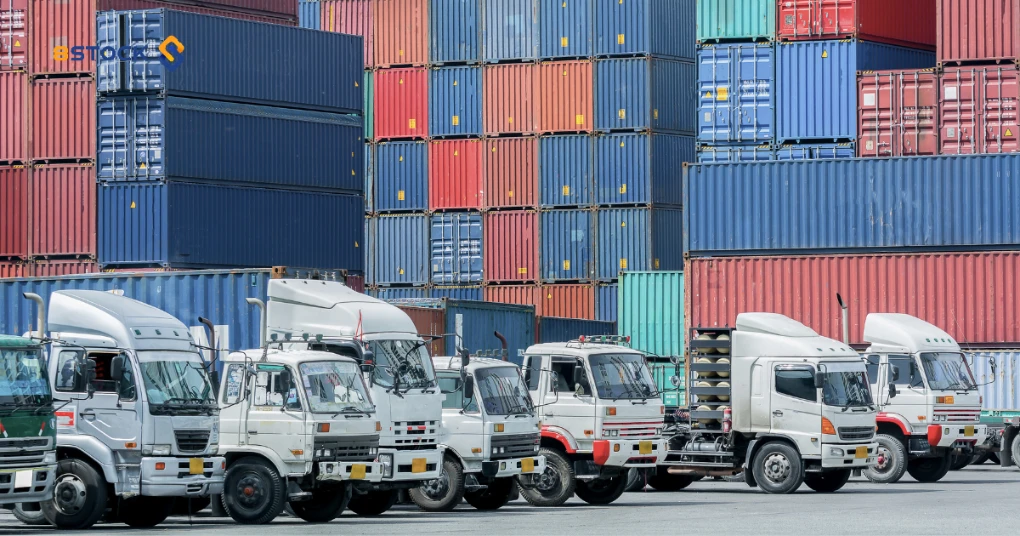
You can’t talk about the future of logistics here without understanding the framework the government has built. It’s not just paperwork; it’s where the funding and tax breaks are. The government is actively pushing for a digital leap, and understanding these policies is the first step to getting your share of the support.
The Frameworks You Need to Know
There are three major pillars supporting Malaysia logistics innovation right now. If you are planning your strategy for the next five years, align them with these initiatives.
- Industry4WRD Policy: This is the national policy on Industry 4.0. It offers readiness assessments and intervention funds specifically for manufacturing and related services (like logistics) to adopt digital transformation logistics.
- MyDIGITAL Initiative: This targets the digital economy infrastructure. For you, this means better 5G connectivity for IoT logistics devices and cloud support.
- National Transport Policy (NTP) 2019-2030: The goal here is seamless connectivity. The government is trying to fix the bottlenecks in our ports and roads to facilitate smoother multimodal connectivity.
Understanding Tax Incentives and Approvals
One of the biggest opportunities right now is the Integrated Logistics Services (ILS) status. As of 2024, over 111 ILS projects have been approved. If you get this status, you are looking at significant tax exemptions.
Here is a breakdown of the key incentives you should be looking at:
| Incentive Type | What It Covers | Target Audience |
|---|---|---|
| Pioneer Status (PS) | Income tax exemption of 70% of statutory income for 5 years. | New Smart Logistics Complex projects. |
| Investment Tax Allowance (ITA) | Allowance of 60% on qualifying capital expenditure incurred within 5 years. | Companies expanding into automation. |
| Import Duty Exemption | Exemption on raw materials and machinery that aren’t produced locally. | Warehouses importing robotics Malaysia logistics tech. |
Pro Tip: Don’t just apply for ILS approvals Malaysia blindly. Ensure your application highlights how your operation contributes to the “value chain”—specifically how you are using technology to lower costs for other Malaysian businesses.
Find out more on Smart Logistics Complex (SLC) Incentive by MIDA
Core Industry 4.0 Technologies Reshaping Supply Chains
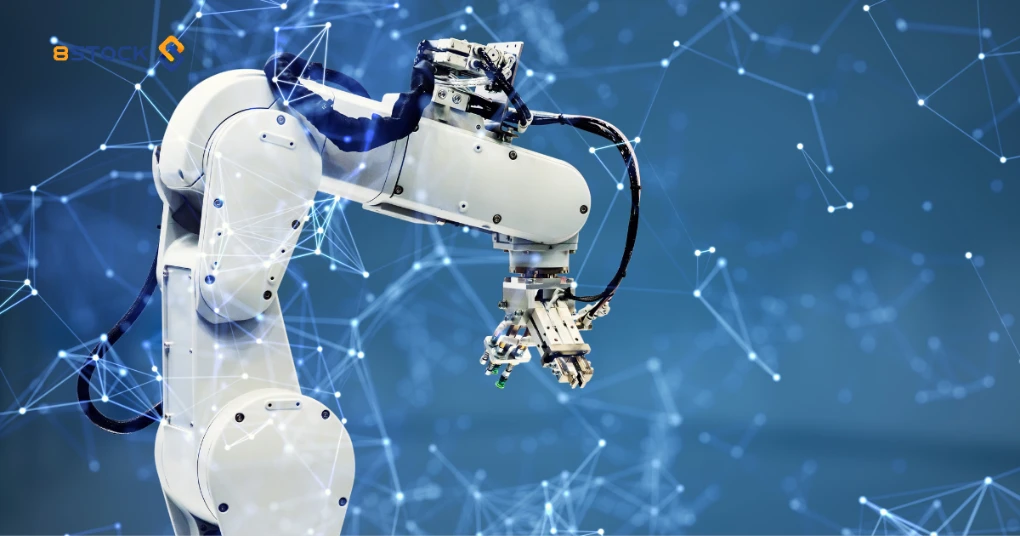
Let’s be honest, “Industry 4.0” sounds like a buzzword until you see it actually save a shipment from spoiling. The technology available now allows us to move from “reacting to problems” to “preventing them before they happen.”
The Power of AI and Machine Learning
AI supply chain Malaysia adoption is growing because it solves the hardest problem: uncertainty.
- Predictive Analytics: Instead of guessing how much stock you need for Hari Raya or 11.11 sales, machine learning demand forecasting analyzes years of data to give you accurate numbers.
- Route Optimization: AI tools analyze traffic patterns in real-time. If there is a jam on the Elite Highway, the system reroutes your drivers instantly, saving fuel and time.
- Disruption Forecasting: Advanced systems can predict delays at ports based on global weather and shipping data.
IoT as the Nervous System
If AI is the brain, IoT logistics is the nervous system. We are talking about sensors on everything.
- Real-time Tracking: You are no longer calling a driver to ask, “Where are you?” You can see the truck, the pallet, and even the specific item on a dashboard.
- Condition Monitoring: For food or pharma, sensors track temperature and humidity. If a freezer truck fails, you get an alert instantly, preventing spoilage.
Blockchain for Trust
Blockchain supply chain technology is still maturing, but it is vital for value co-creation supply chain transparency. It creates a digital ledger that no one can tamper with. This is huge for proving the origin of goods (like Halal certification) or ensuring that payments are released only when goods are verified as delivered.
Smart Warehouses and Multimodal Connectivity
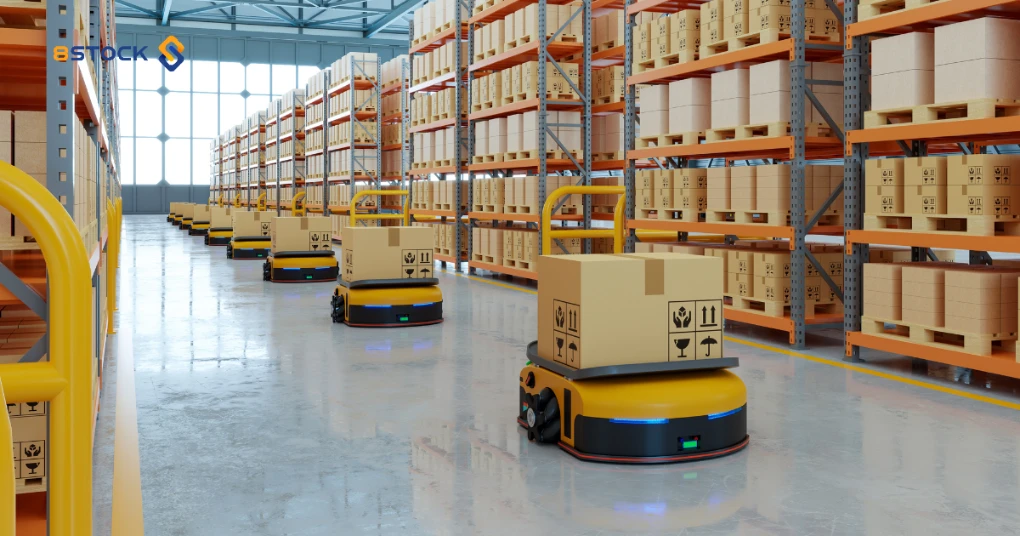
The days of the dusty, dark warehouse are numbered. The new standard is the Smart Logistics Complex. These are facilities designed from the ground up to handle high velocity and high variety.
The Anatomy of a Modern Smart Warehouse
To stay competitive, especially against regional giants, your warehouse needs to evolve. We are seeing facilities like the YCH Fusionaris warehouse setting the bar with 53,880 m² of automated space.
Here is what a modern setup looks like:
- Automated Storage and Retrieval Systems (AS/RS): These systems stack goods higher and retrieve them faster than any human on a forklift could.
- Autonomous Mobile Robots (AMRs): Small robots that bring shelves to the pickers. This cuts down the walking time for your staff significantly.
- Digital Twins: This creates a virtual replica of your warehouse. You can run simulations to see what happens if order volume doubles, allowing you to fix bottlenecks virtually before they happen physically.
Connecting the Dots: Multimodal Networks
It is not just about what happens inside the four walls. Port Klang logistics is upgrading to become a top-tier global port. The goal is to link sea, rail, and road seamlessly.
For example, multimodal connectivity means a container comes off a ship, gets loaded onto a train, and then onto a truck with a single digital document tracking the whole journey. This reduces the “dwell time” where cargo just sits around waiting for paperwork.
E-commerce last-mile delivery is the final piece of this puzzle. Companies are now using micro-fulfillment centers (small warehouses in city centers) to ensure that “next-day delivery” becomes “same-day delivery.”
Benefits for Businesses: Cost Reduction and Efficiency Gains
You might be thinking, “This technology sounds expensive.” And you are right—the initial investment is high. But the cost of not doing it is higher.
The ROI of Automation
When you implement supply chain automation, the return on investment (ROI) comes from speed and accuracy.
- Labor Efficiency: Robotics Malaysia logistics doesn’t replace people; it allows your existing team to do 3x the volume. You stop paying for overtime just to fix picking errors.
- Space Utilization: Automated warehousing allows you to build vertically. You can store more goods in the same footprint, reducing your rent per pallet.
- Customer Satisfaction: In the age of Shopee and Lazada, speed is currency. If you can promise (and deliver) 24-hour fulfillment, you win the contract.
Resilience in a Chaotic World
We all remember the disruptions during the pandemic. Digital transformation logistics gives you resilience. When you have real-time tracking IoT and data visibility, you can pivot quickly. If a supplier in one country shuts down, your system can identify alternative sources immediately.
FDI logistics investment is pouring into Malaysia because global companies see this resilience. They want to set up their regional hubs here, which creates more opportunities for local logistics providers to partner with MNCs.
Challenges, Opportunities, and Future Outlook for 2026
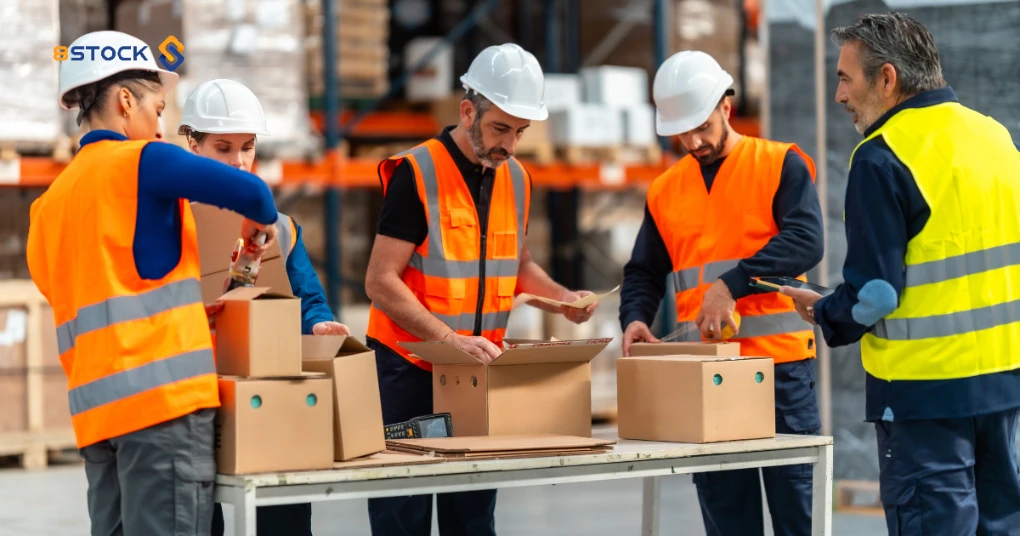
The road to becoming a Southeast Asia logistics hub isn’t without potholes. We have to be realistic about the challenges while keeping our eyes on the prize.
Addressing the Talent and Labor Gap
The biggest headache for most managers right now is the workforce. We have a shortage of truck drivers and skilled warehouse operators.
- The Challenge: Local youth aren’t attracted to traditional “3D” (dirty, dangerous, difficult) logistics jobs.
- The Solution: Technology makes the jobs better. Operating a drone or managing a robotic fleet is a skilled, higher-paying job that attracts talent.
- Action Item: Focus on upskilling your current workforce. Use the Human Resource Development Corp (HRD Corp) levies to train your team on digital tools.
SME Access to Funding and Tech
For SME logistics funding, the barrier to entry can feel high. However, programs like the Domestic Investment Accelerator Fund (DIAF) are designed specifically to help local SMEs modernize.
- Opportunity: You don’t have to build everything yourself. Look for partnerships. For example, the Ninja Van partnerships with UPS show how local players can tap into global networks.
- SaaS Models: You don’t need to buy a million-dollar server anymore. Cloud-based Warehouse Management Systems (WMS) allow you to pay a monthly subscription for enterprise-level software.
The Road to 2026
Looking ahead, events like LogiSYM 2026 will be critical for networking and seeing where the industry is heading. We are moving toward RCEP trade Malaysia integration, where cross-border trade becomes easier, but competition gets fiercer.
By 2026, we expect to see more sustainability logistics initiatives. Electric delivery fleets and solar-powered warehouses won’t just be “nice to have”—they will be requirements for multinational clients who have strict carbon targets.
Final Thoughts
Malaysia’s logistics innovation is moving fast. The combination of Industry 4.0 Malaysia tech, government support like the SLC tax incentives, and our strategic location puts us in a prime position. The market is growing towards that USD 40.11 billion mark, and the businesses that adapt now are the ones that will capture that value.
It is time to stop looking at logistics as a cost center and start treating it as your competitive advantage. Whether it is applying for ILS approvals Malaysia or testing out a new AI supply chain tool, the key is to take action.
If you are ready to modernize your inventory management and get your warehouse ready for the future, request a 8Stock demo today. Let’s make sure your business isn’t just surviving the changes, but leading them.
FAQs
1.) What are Malaysia’s key logistics policies?
The main policies are Industry4WRD policy, MyDIGITAL initiative, and the National Transport Policy (NTP). These frameworks, along with Tax incentives logistics for Smart Logistics Complexes (SLC), are designed to accelerate digital adoption.
2.) How does AI benefit Malaysian supply chains?
AI supply chain Malaysia tools enable predictive analytics AI for demand forecasting, optimize delivery routes to beat traffic, and provide disruption warnings, ultimately leading to significant cost reductions.
3.) What is a Smart Logistics Complex (SLC)?
An SLC is a cutting-edge facility that integrates IoT logistics, robotics Malaysia logistics, and green technology to handle high volumes of goods with minimal errors and maximum efficiency.
4.) What growth is expected in Malaysia’s logistics market?
The market is projected to grow from USD 29.70 billion in 2025 to USD 40.11 billion by 2031, driven by e-commerce and FDI logistics investment.
5.) How can SMEs adopt logistics innovation?
SMEs can leverage SME logistics funding through agencies like MIDA (DIAF fund), apply for ILS approvals Malaysia, and use cloud-based platforms to access advanced technology without heavy upfront capital.