

Let’s talk about supply chain inventory management and why it matters to your business today! If you are a wholesaler or selling products online, managing the flow of goods from your supplier to your customer’s doorstep is literally the heartbeat of your operation. Efficient inventory management keeps you from bleeding cash on dead stock while making sure you never miss a sale because of an empty shelf.
In Malaysia’s fast-moving market, running out of stock can cost you up to 10% in lost sales! It happens to the best of us, especially if you are working in busy industries like the electronics supply chain Malaysia or even palm oil inventory management. This guide is built to help warehouse managers, logistics managers, and procurement executives handle these daily headaches.
We will walk through the practical ways to cut your costs without getting overly technical. You will learn how to deal with local courier issues and properly integrate your daily tasks. Let’s get right into the nuts and bolts of it!
Read on Supply Chains Optimization
Read about Supply Chain Terms
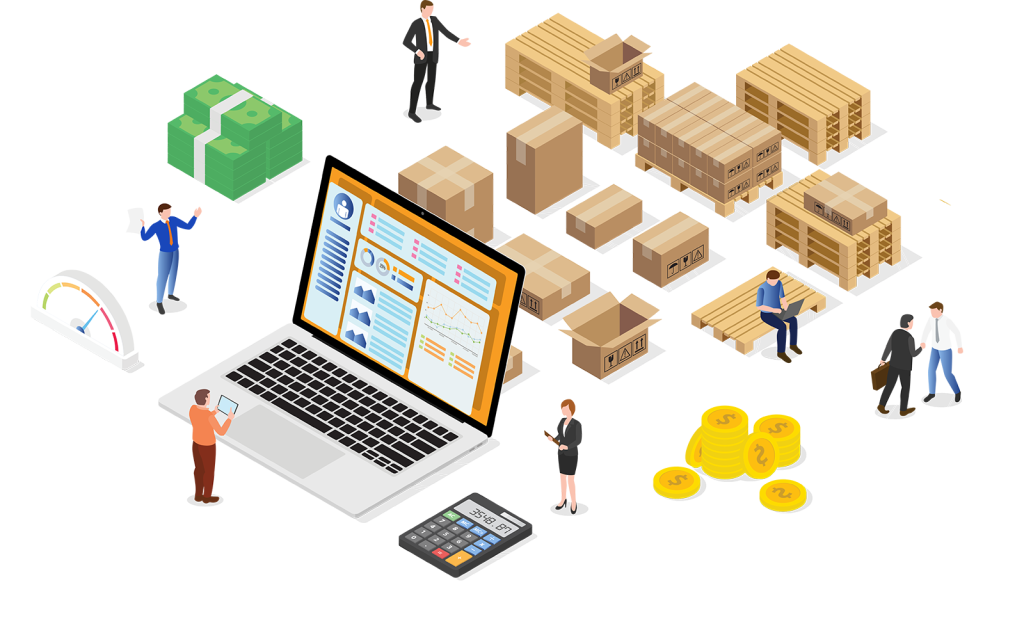
Core Components of Supply Chain Inventory Management
Planning and Demand Forecasting

To start, let’s look at demand forecasting supply chain planning for your business. You need to analyze your past sales data, current market trends, and seasonal spikes. Think about how demand goes crazy right before Chinese New Year, Hari Raya, leaving you scrambling if you are not prepared.
Using AI demand forecasting tools gives you a much better guess than a simple spreadsheet. These tools look at patterns so you can balance what you have with what buyers actually want. It is a very practical way to stop guessing and start knowing.
Think about how much warehouse space is wasted on items nobody wants anymore. You are paying rent on that space every single month. Better forecasting stops that bleeding and keeps your cash flow healthy.
You also need to figure out your safety stock calculation carefully. Malaysian import delays are pretty common due to customs or shipping port traffic. Having that extra buffer keeps your operations running smoothly when a shipping container is stuck for an extra week.
- Review past data for seasonal peaks using solid demand planning methods.
- Use AI tools to predict buyer habits accurately.
- Keep safety stock on hand to cover unexpected port delays.
Sourcing and Procurement
Next is the procurement supply chain side of things. Picking reliable local or global suppliers makes your life much easier on a daily basis. Some suppliers even offer auto-replenishment, which takes a lot of manual work off your desk.
If you are a dropshipper, your relationship with your supplier is everything. You need them to be honest about what they actually have in stock. When they run out without telling you, your seller rating takes a massive hit.
When you negotiate contracts, you should focus strictly on lead times and local rules. For example, maintaining a strict halal supply chain Malaysia requires clear traceability from all your suppliers. If the paperwork is delayed, your products can not be legally sold.
A good way to track all this is by using ERP for supply chain systems. It keeps all your purchasing data in one place to help reduce costs. Mistakes are avoided often when everything is centralized in one dashboard.
- Find partners that support automated restocking.
- Negotiate lead times and ensure halal compliance.
- Track orders via ERP to monitor your spending.
Read on How WMS Transforms Inventory Management and Optimizes the Supply Chain
Key Inventory Management Techniques for Efficiency
Just-in-Time (JIT) and Vendor Managed Inventory (VMI)

If you’re tired of seeing cash tied up in boxes sitting on racks, you should look into these methods. Just in time JIT inventory minimizes your holding cost reduction by syncing the arrival of goods exactly when production needs them. It takes coordination, but the savings are very real for your bank account.
Think of JIT like cooking a big family dinner. You do not chop the vegetables three days in advance, or they go bad. You chop them right before they go into the pan, saving fridge space.
Then there is vendor managed inventory VMI to consider. This is where your suppliers actually monitor your stock levels and send replacements automatically. It is super helpful if you run a multi-vendor setup in Malaysia.
| Technique | How it works | Best for |
|---|---|---|
| Just in time JIT inventory | Materials arrive right before they are needed. | Cutting holding costs. |
| Vendor managed inventory VMI | Suppliers track and restock your shelves. | Multi-vendor retail chains. |
Material Requirements Planning (MRP) and ABC Analysis
For manufacturing, material requirements planning MRP schedules raw materials based on what you actually plan to build. It uses your bill of materials BOM and the master production schedule MPS to figure out exactly what to order. You won’t end up with extra parts you don’t need lying around.
Your bill of materials is essentially a recipe card for your product. If you are building a computer, the BOM lists every single screw and wire needed. MRP looks at this recipe and tells you exactly what to buy.
Another very practical tool is ABC inventory analysis for your warehouse. You basically sort your items by value, putting your most expensive or profitable items in the “A” category for tightest control. Cheaper, bulk items go into the “C” pile.
Doing this usually cuts excess inventory by about 20% to 30% in most businesses. You stop counting the cheap stuff every day and focus your energy on what actually brings in money.
- Use MRP to align materials with your production schedule.
- Apply ABC inventory analysis to prioritize high-value stock.
- Cut warehouse bloat and focus on top-selling items.
Role of Technology in Supply Chain Inventory
ERP, WMS, and IoT Integration
Let’s be honest, trying to manage everything on paper is just asking for trouble these days. Real-time inventory visibility is now standard, mostly thanks to WMS warehouse management tools and smart sensors. You can easily track pallets moving through your facility using RFID supply chain tags.
Sometimes business owners try to use free, open-source software to save a few ringgit. While that is okay for a tiny hobby shop, it usually crashes when you scale up. Investing in a proper system pays for itself in avoided mistakes.
For local SMEs, using a system like 8Stock gives you clear visibility and easy reporting. It handles the heavy lifting of data so you can just read the dashboard and make decisions. This kind of inventory tracking software connects directly with your daily operations.
Also, predictive analytics inventory helps you make proactive adjustments before a crisis hits. If a storm is brewing or a trend is dying, the software flags it for you.
- Install IoT inventory tracking for live updates on stock.
- Use a warehouse management system like 8Stock for tailored reporting.
- Rely on predictive data to avoid sudden shortages.
Automation for Tracking and Optimization
Nobody enjoys shutting down the warehouse for a full weekend just to count boxes. Cycle counting automation uses handheld scanners or even small robots to do continuous mini-audits. Your numbers stay accurate without the massive headache of a manual physical count.
Order management automation also helps with fulfillment routing for dropshippers. When an order drops, the system automatically figures out the closest warehouse or the best shipping path. It saves a lot of time for your packing team.
- Automate daily cycle counts to fix errors fast.
- Let software handle your fulfillment routing automatically.
- Reduce human error in tracking with scanners.
Malaysian-Specific Challenges and Solutions
Logistics and Distribution Optimization
Moving goods around Malaysia comes with its own set of unique headaches. Malaysian logistics challenges often involve unpredictable traffic jams and complex delivery routes. You really need good logistics inventory management to keep delivery times short.
Most local businesses are selling across multiple marketplaces like Shopee or Lazada. When you run campaigns like 11.11, the sheer volume of orders can break your local couriers. That is why having direct system integrations matters so much.
Integrating your system directly with local couriers like Pos Laju integration or GDex delivery management speeds up the last-mile delivery. When your software talks directly to the courier, tracking numbers are generated instantly. This keeps the customer in the loop without you doing extra data entry.
You also have to deal with customs delays if you import goods from China or elsewhere. Building a solid buffer inventory strategy helps smooth out those bumps. Better route optimization also cuts down on your delivery truck fuel expenses.
| Challenge | Practical Solution |
|---|---|
| Traffic and fuel costs | Route optimization software. |
| Slow local deliveries | Direct Pos Laju integration. |
| Customs clearing delays | Keep a calculated safety stock. |
Risk Management and Sustainability

You also need to think about supply chain risk management year-round. Floods during the monsoon season can literally wash out your transport routes or damage your warehouse. Mitigating these disruptions by having diversified suppliers is just common sense.
We all learned a hard lesson during the recent pandemic about supply chain shocks. When borders close, relying on a single overseas factory is a recipe for disaster. Spreading your risk across multiple suppliers keeps the lights on.
Sustainability is also becoming a big deal, especially with new ESG regulations pushing businesses to be greener. Sustainable inventory practices mean reducing waste by keeping optimized stock levels. You do not want to throw away expired goods if you can avoid it.
Even handling reverse logistics returns properly is part of being green. Fixing or reselling returned items saves money and keeps trash out of the local landfill.
- Source materials from different regions to avoid flood impacts.
- Adopt green practices to meet new ESG rules.
- Streamline your returns process to save salvageable goods.
Benefits and Use Cases for Professionals
Cost Reduction and ROI Metrics
At the end of the day, all these inventory optimization techniques are about saving money. Lowering your holding costs and using stockout prevention strategies can easily boost your profits by 15%. It just takes a bit of planning to get there.
Let’s break down what holding costs actually mean for your business. It is not just the rent for the warehouse; it includes electricity, insurance, and the security guards you hire. Lowering your stock volume directly lowers all these monthly bills.
Let’s look at a practical example from a local business. A local electronics firm cut their lead times by 25% just by switching to a VMI setup with their main supplier. They stopped over-ordering and let the supplier manage the bulk items.
Calculating your economic order quantity EOQ also ensures you are buying the most cost-effective amount of stock every time. You don’t tie up cash unnecessarily on stock that won’t sell for months.
- Cut excess stock to lower storage fees.
- Use EOQ formulas to find the perfect order size.
- Implement VMI to reduce lead times significantly.
Measuring Success: KPIs for Managers
You cannot improve what you do not measure in business. Tracking your supply chain KPIs gives you a clear picture of how healthy your warehouse really is. One of the most important metrics is your inventory turnover ratio, which tells you how fast you are selling through your stock.
You should also monitor your order accuracy and fill rates. If your team is constantly picking the wrong item, your returns will skyrocket. Keeping an eye on these numbers helps you find exactly where the process is broken.
- Watch your inventory turnover ratio closely.
- Measure your stockout frequency to adjust safety levels.
- Track order accuracy to reduce customer complaints.
Final thoughts
Efficient supply chain management Malaysia is all about combining smart planning, the right technology, and an understanding of local logistics. When you use tools like VMI to reduce your stockouts or IoT sensors for live tracking, your whole operation becomes much more resilient. It cuts your costs down and keeps your customers coming back for more.
If you are a warehouse manager or a procurement executive, you really should look into adopting modern ERP or WMS tools today. Your inventories are managed better when you use digital systems instead of manual paperwork. Start small with basic demand forecasting or implementing JIT, and watch your daily operations improve.
Thanks for hanging out and reading through this guide! If you want to see how these tools look in action, feel free to leave a message or request an 8Stock demo. We would love to help you get your inventory under control!
Frequently Asked Questions
What are the main types of inventory in supply chain management? The main types usually include raw materials, work-in-progress items, finished goods ready for sale, and MRO (maintenance, repair, and operations) supplies. Knowing the difference helps you track them better.
How does VMI benefit Malaysian logistics managers? With VMI, your suppliers handle the restocking process for you. This cuts down your administrative costs and prevents stockouts, especially when dealing with complex multi-vendor setups.
What is the role of ERP in inventory optimization? An ERP system centralizes all your data into one place. It helps with forecasting, tracking, and automation across your entire process, from procurement all the way to delivery.
How to handle inventory risks in Malaysia? You should use diversified sourcing so you are not relying on one factory. Keeping safety stock and using IoT sensors also helps manage sudden disruptions like floods or geopolitical issues.
What KPIs measure efficient inventory management? You want to look at your turnover rate, stockout frequency, holding costs, and overall order accuracy. These numbers tell you if your strategy is actually working.